Most drivers here obsess over paint protection but forget about the windows entirely. That's a mistake. Hazy, water-spotted glass doesn't just look bad, it cuts visibility exactly when you need it most, during dust storms or sudden rain.
This guide breaks down what ceramic coating for car windows actually does, how it differs from tint, what it costs, how long it lasts in UAE conditions, and how to keep it working.
Key Takeaways
- Ceramic coating creates a hydrophobic layer on glass that helps water and dirt slide off
- It's a liquid treatment, not a film, so it's different from window tint
- Lifespan varies by product—from a few months to roughly two years
- Gentle, pH-balanced washing preserves the coating; harsh chemicals and abrasive brushes degrade it
- Professional application matters, especially given UAE dust and heat during curing
What Is Ceramic Coating for Car Windows?
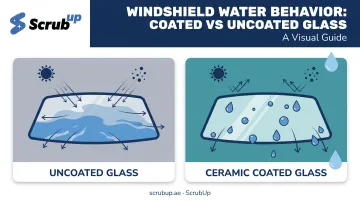
Ceramic coating for glass is a liquid nano-ceramic product applied directly to the exterior surface of your windshield or windows. Once cured, it forms a thin, transparent, hydrophobic layer that bonds to the glass.
Brands like Gtechniq and GYEON describe this bond as a chemical one, meaning it doesn't just sit on top like a wax; it actually adheres to the glass surface. That's why it holds up better than traditional sealants.
How it works on glass versus paint:
- Glass is harder and smoother than clear-coated paint, which allows for a more consistent, even bond
- The result is a surface where water beads up and rolls away instead of spreading into a hazy film
- It can be applied to windshields, side windows, and rear glass
Ceramic Coating vs. Wax and Tint
A wax or sealant sits on the surface and washes away within weeks. Ceramic coating for glass is a different category altogether, engineered specifically for durability and water-shedding behaviour, not for tinting or heat rejection.
Ceramic Coating vs Glass Coating vs Window Tint
This confuses a lot of car owners, and honestly, the marketing doesn't help.
Ceramic coating and glass coating are usually the same thing. Companies market a liquid nano-ceramic product under both names. Ceramic Pro, for instance, sells a product it calls "glass coating" that's chemically the same liquid ceramic treatment other brands call "ceramic coating for glass." The label matters less than the actual formulation.
Window tint is something else entirely:
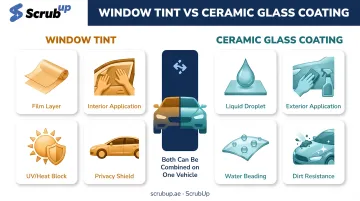
- Physical film, not a liquid treatment
- Applied to the interior glass surface, not the exterior
- Built for heat rejection, UV blocking, and privacy—not water-shedding
- LLumar's ceramic tint film uses nano-ceramic particles too, but remains a film laminate, not a coating
Can you combine them? Yes. Tint on the interior for heat and privacy, ceramic coating on the exterior for water and grime resistance. Different jobs, no conflict—when each is applied correctly.
Key Benefits of Coating Your Car Windows
The core benefit is simple: water and dirt behave differently on coated glass.
- Water beads and rolls off instead of smearing, so visibility holds up better in rain and dust
- Dust and grime grip less, which means a quick rinse removes more
- Beading water is less likely to sit and dry into mineral water spots
- A smoother surface can limit how aggressively fine sand bites into glass during wiping
- Less weekly hand-cleaning, which helps if you're a busy professional short on time
One caveat: coating manufacturers don't publish verified UV-blocking or glare-reduction claims for glass coatings specifically. Those benefits belong more to tint film. What is documented is water and contaminant behaviour, which in Dubai's dusty, sun-baked conditions is still a meaningful upgrade for daily driving comfort.
Is Ceramic Coating Safe for Car Windows?
Yes, when it's applied correctly and given proper time to cure.
Cure times vary by product, and this is where a lot of DIY jobs go wrong:
| Product | Initial cure before elements | Before water/wipers |
|---|---|---|
| Gtechniq G1 | ~3 hours protected | Screenwash generally fine |
| Nanolex Ultra Glass | 10-15 min buff | At least 12 hours before wipers |
| Ceramic Pro | — | 48 hours before water contact |
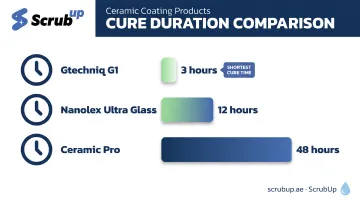
There's no single universal number, so always follow the specific product's instructions rather than a generic rule you saw online.
Common DIY problems include:
- Streaking from uneven application
- Poor bonding because the glass wasn't properly decontaminated first
- Wiper judder in the first week or two (Gtechniq notes this resolves on its own in most cases)
Skip cheap, untested spray-ons. Choose a proven glass-specific ceramic formula, and if you're not confident doing it yourself, get it professionally applied.
Cost and Durability in the UAE Climate
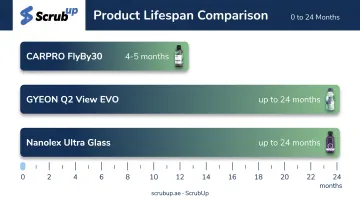
Pricing depends on how many windows you're coating, how much prep the glass needs, and whether you're going with a basic or premium-grade product. There's no fixed AED benchmark that holds across the market. Price varies too much by detailer and product tier, so always get a direct quote. Manufacturer durability claims differ more than most people expect:
- CARPRO FlyBy30 lasts roughly 4-5 months of windshield water repellency
- GYEON Q2 View EVO claims up to 24 months or 50,000 km, with usage and wiper wear affecting that
- Nanolex Ultra Glass claims similar territory, up to 24 months under correct application So the honest range is a few months to around two years, not a flat "12 months to 3 years" figure some sellers throw around. Dubai's heat, dust, and sun exposure aren't kind to any coating, though no manufacturer publishes a specific UAE degradation percentage. Factors that do matter:
- Applying the coating in direct sunlight can interfere with curing
- Worn wiper blades accelerate wear on treated glass
- Abrasive cleaning shortens lifespan regardless of climate Regular, gentle washing stretches the coating's usable life. ScrubUp's Eco Wash is built for that kind of upkeep: a waterless method using biodegradable, pH-balanced cleaners that lift dust without scrubbing it into the glass. The aim is to preserve coatings during routine care, not strip them.
Maintenance Tips to Extend Coating Life
Coated glass isn't maintenance-free. It still needs gentle, coating-safe care.
- Use pH-balanced, biodegradable shampoos. Harsh degreasers and ammonia-based glass cleaners can slowly break down the coating's bond.
- Skip automatic car washes with spinning brushes. Those abrasive brushes are one of the fastest ways to wear a coating down. Touchless or careful hand-wash methods are safer.
- Wash regularly, not occasionally. Letting sand and dust sit on the glass for weeks means more friction every time you do clean it.
- Check wiper condition. Worn blades drag grit across coated glass every time you use them.
Follow those habits and the coating lasts longer—especially in dusty Dubai conditions.
ScrubUp's doorstep mobile wash uses pH-balanced foam and steam cleaning, so you avoid rough brushes and harsh chemicals. It comes to your building or office parking spot, which makes a consistent gentle-wash routine easy to keep.
Frequently Asked Questions
Is ceramic coating safe for car windows?
Yes, when applied correctly and given proper cure time. Wait times vary by product, generally a few hours before exposure to elements and up to 48 hours before using strong cleaners or wipers.
Which is better for car windows: ceramic coating or glass coating?
They're usually the same product marketed under different names. What matters more is the specific brand's formulation and quality, not which label it's sold under.
How long does ceramic coating last on car windows in the UAE?
Manufacturer claims range from about 4-5 months to roughly 24 months, depending on the product and how well it's maintained. Harsh cleaning and worn wipers shorten that lifespan significantly.
Can ceramic coating be applied over window tint?
No. It needs bare, clean glass to bond properly. Tint sits on the interior surface, so the two don't conflict—just never apply coating over the film itself.
Does ceramic coating replace the need for regular car washing?
No. It reduces how much dirt and water stick to your glass, but you still need regular gentle washing to clear away dust and grime buildup, especially in Dubai's sandy conditions.