Ceramic coating gets pitched as the fix. But between marketing claims and manufacturer specs, it's hard to know what actually holds up on Dubai roads.
This article breaks down what ceramic coating on wheels really delivers, where it falls short, and how to protect your investment once it's applied.
TL;DR
- Speeds up wheel cleaning by repelling brake dust, water, sand, and road grime
- It adds gloss and UV protection but won't stop scratches or curb rash
- Delivers 1-3 years of protection depending on product quality and upkeep
- Worth it if you want easier maintenance and a longer-lasting wheel finish
- Gentle, regular washing between coatings is essential to reach that lifespan
What Is Ceramic Coating for Wheels?
Ceramic coating for wheels is a liquid nano-ceramic layer (often silica-based) that chemically bonds to the wheel surface, forming a thin, hard barrier. Manufacturers like Ceramic Pro and CARPRO build their formulas around SiO2 content, which cures into what's sometimes called a "nano glass" structure.
It's typically applied to alloy, painted, or powder-coated wheels after a thorough clean and decontamination. Think of it as a maintenance-easing tool, not a magic shield:
- Won't undo damage that's already there
- Won't stop future damage from curbs or debris
Key Advantages of Ceramic Coating Wheels
The benefits below focus on outcomes you'd actually notice, not marketing language. In Dubai's climate, several of these effects are more pronounced than they'd be somewhere milder, simply because the heat and sand exposure are relentless.
Easier Cleaning and Reduced Brake Dust Buildup
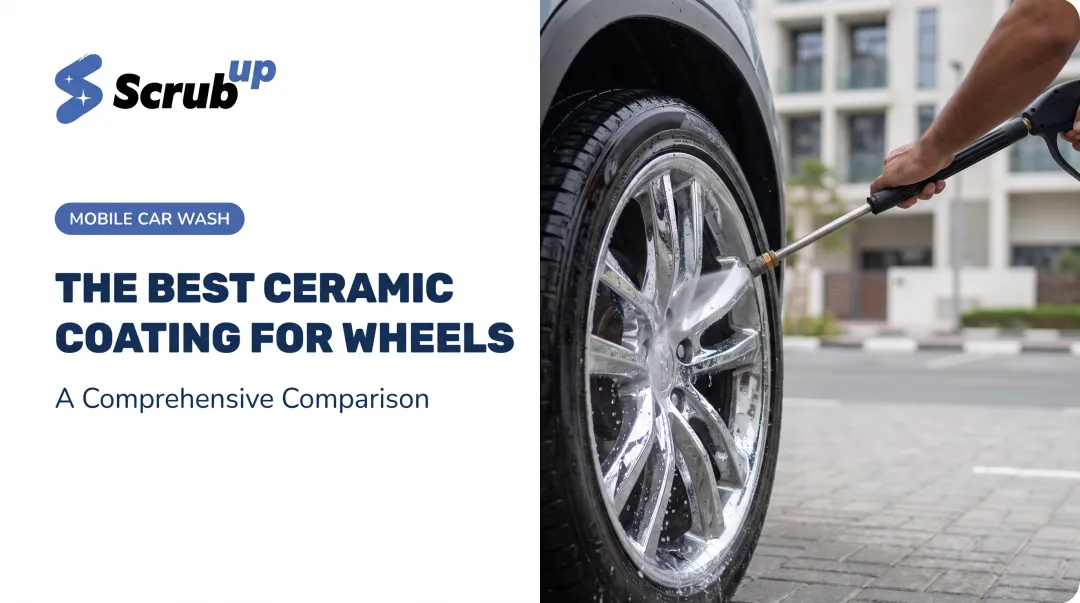
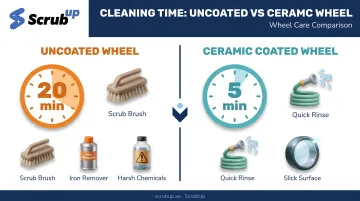
A ceramic-coated wheel creates a slick, hydrophobic surface. Brake dust, sand, and grime struggle to bond strongly to it, which means less scrubbing and fewer aggressive chemical cleaners during every wash.
According to detailing brand Undrdog, a coated wheel takes roughly 5 minutes to clean versus about 20 minutes for an uncoated one that needs iron remover and scrubbing. That's a manufacturer-style estimate rather than an independent lab test, but it lines up with what most detailers observe: contaminants simply slide off instead of baking in.
What this impacts:
- Shorter cleaning time each wash
- Less need for harsh chemical cleaners
- Fewer deep-clean sessions over the year
This matters most for daily drivers dealing with constant Dubai sand, heat, and brake dust from stop-and-go traffic. If you're commuting on Al Khail Road or through Downtown traffic daily, this is where coated wheels earn their cost back in convenience.
Long-Lasting Shine and Finish Protection
Coatings add a glossy top layer that deepens a wheel's factory finish, or a light sheen that flatters matte wheels without making them look polished. Beyond looks, most wheel-specific coatings include UV resistance, which helps guard against fading and oxidation under intense UAE sun.
Ceramic Pro's UAE product listing cites weather, UV, and oxidation resistance along with thermal resistance up to 750°C, useful given how hot alloy wheels get near hard-working brakes.
For owners of forged or custom wheels, this retained finish quality has real value. No independent study has quantified exact resale-value gains from coated wheels, but preserving the original finish on a premium wheel set logically protects that investment better than letting it fade and pit over years of sun exposure.
Highest impact for: Owners of expensive forged or custom wheels who want to protect a significant upfront cost.
Reduced Water Spots and Easier Drying
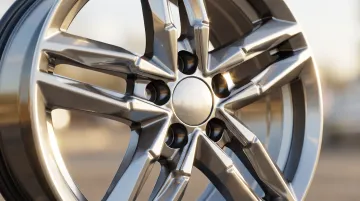
Because the surface is hydrophobic, water beads and rolls off rather than pooling into stubborn spots. This matters especially on matte or satin finishes, which are notoriously difficult to dry without streaking.
Fewer water spots means less aggressive wiping and less reliance on specialized drying products. That said, coating manufacturers themselves note a limit: Ceramic Pro's aftercare guide warns that tap-water minerals can still leave deposits if wheels aren't dried promptly, even on a coated surface.
Where this matters most: Humid coastal pockets of Dubai, or after frequent washes where drying technique becomes the deciding factor.
What Happens When Wheels Are Left Uncoated in UAE Conditions
Skip the coating, and here's the reality most owners face:
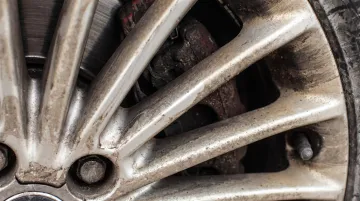
- Brake dust bakes onto hot wheels, becoming genuinely harder to remove over time
- Every wash needs more scrubbing and stronger chemical cleaners
- Sun and sand exposure accelerates fading, oxidation, or pitting on the finish
- Matte and satin wheels develop persistent, streaky water spots
- Overall maintenance effort climbs steadily just to keep wheels looking decent
None of this is catastrophic on its own. But it adds up, week after week, into more time and more product spent just keeping wheels presentable.
How to Get the Most Value from Ceramic Coated Wheels
Coating performs best paired with consistent, gentle maintenance, not infrequent deep cleans that let grime build up between sessions.
Stick to these habits:
- Use pH-neutral soaps and soft brushes — harsh chemicals and stiff brushes gradually strip the coating's protective layer
- Rinse off brake dust and sand regularly rather than letting it accumulate and bake on
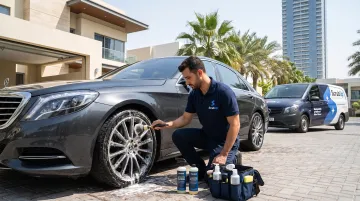
- Book a professional mobile wash for routine upkeep — consistent, careful washing extends coating life without the hassle of driving to a wash bay
This is where ScrubUp's Eco Wash fits a coating maintenance routine. It uses biodegradable, pH-balanced cleaners and microfiber technology made for preserving ceramic coatings, not aggressive treatments meant for heavy grime.
At AED 49 per visit, it keeps coated wheels rinsed and grime-free between deeper details. Book it to your home, office, or parking spot across Dubai via app, website, or WhatsApp.
Conclusion
Ceramic coating pays off through easier cleaning and longer-lasting wheel protection that builds over years of use—not as a single treatment you apply and forget.
Pair it with regular gentle maintenance, and the benefits multiply. Skip that upkeep, and you will not get your money's worth. pH-neutral mobile washes help preserve the coating without harsh chemicals or a trip to a bay.
For most Dubai car owners, especially those with premium or forged wheels, the time saved on cleaning and the finish protection gained typically outweigh the upfront cost. If you already invest in quality wheels and will keep up light care, ceramic coating is worth it.
Frequently Asked Questions
How long does ceramic coating on rims last?
Most quality products last 1-3 years, though manufacturer claims range from 18 months to a 36-month warranty, depending on the brand. UAE heat and sand can shorten this without regular gentle maintenance.
Is it good to ceramic coat your wheels?
Yes—mainly for easier cleaning and stronger finish protection. Go in with realistic expectations: it needs proper prep and will not eliminate maintenance.
Does ceramic coating protect wheels from scratches or curb damage?
Only minor abrasion resistance, not real protection. Coatings rate around 9H on a pencil-hardness scale, but that doesn't stop curb rash, rock chips, or dents.
Can you apply ceramic coating to any type of wheel finish?
It works on most finishes, including painted, powder-coated, and anodized wheels. The product must match the finish though; some coatings exclude bare polished metal.
Should ceramic coating be applied before or after tires are mounted?
Best practice is after mounting, so the wheel is balanced and clean before coating. That way the coating does not interfere with wheel-weight adhesion.
How can I maintain my ceramic coated wheels between professional treatments?
Regular gentle rinses with pH-neutral products are key. ScrubUp's Eco Wash uses pH-balanced cleaners that are safe on coated wheels and can be booked to your location across Dubai.